Luvut, jotka eivät ole tarjouksessa

10. kesäkuuta 2026
Investointipäätöksen ratkaisevat asiat, joilla ei ole hintalappua
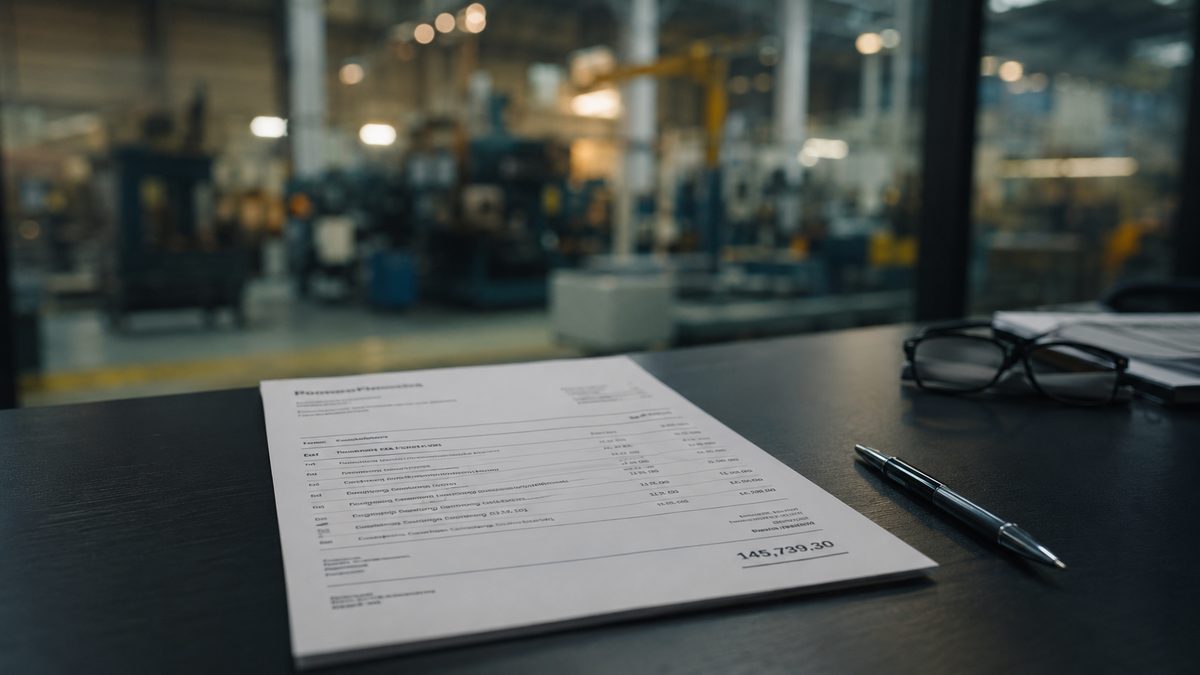
Tarjous on lista asioita, joiden vieressä on numero. Kone. Asennus. Lisenssi, koulutuspäivät, huolto. Myös neuvonannosta annettu tarjous noudattaa samaa kaavaa: yksi rivi, yksi numero, ei mitään asennettavaa. Jokaisella rivillä on hinta. Hinnat lasketaan yhteen, ja summasta väännetään. Tarjous tuntuu täydelliseltä, koska kaiken siinä voi laskea.
Tarjouksen takana oleva päätös ei ole täydellinen.
Onko tämä ylipäätään oikea ostos? Mitä maksaa, jos se osoittautuu vääräksi? Minkä arvoinen olisi ollut vuosi odotusta? Onko ongelma, jonka kone ratkaisee, se ongelma, joka teillä oikeasti on? Nämä kysymykset ratkaisevat, mihin rahat menevät, eikä yksikään niistä näy paperilla. Niillä ei ole hintalappua. Ja asiaa, jolla ei ole hintalappua, kohdellaan kuin se ei maksaisi mitään.
Luvulle, jota ei ole paperilla, voi käydä kahdella tavalla: se unohtuu tai se keksitään.
Unohtuminen on yleisempi kohtalo. Väärän päätöksen hinta on useimpien investointien suurin luku, eikä se näy missään. Jos 600 000 euron kone alisuorittaa kuusi vuotta, sillä on kuukausihinta siinä missä muullakin. Mutta siitä ei tule laskua, joten kukaan ei kirjaa sitä, ja niin se kulkee koko päätöksen läpi nollana. Pöydän suurin luku on se, jota kukaan pöydän ääressä ei koskaan näe.
Keksiminen on hiljaisempi kohtalo. Kun jollakin ei ole omaa hintaa, sille lainataan hinta lähimmästä asiasta, jolla sellainen on. Pahiten tämä osuu neuvonantoon. Työtä, jolla selvitetään, onko hanke ylipäätään terveellä pohjalla, ei voi punnita eikä laskea, joten sen hinta haetaan jostain tutusta: palkasta, päivähinnasta, ohjelmistolisenssistä. Vertailu menee aina pieleen, koska tämä työ ei ole halvempi versio mistään niistä. Se on työ, joka ratkaisee, ovatko tarjouksen kaikki muut numerot oikein. Silti sille pannaan bulkkitavaran hinta, ja avuksi se pyydetään vasta, kun päätös on jo tehty.
Jatko on helppo arvata. Huomio tarkentuu siihen puoleen, jonka voi laskea, ja sokeutuu sille, jota ei voi. Tarjous luetaan rivi riviltä. Isot kysymykset kuitataan lauseella. Tiimi vääntää viikon 8 000 euron asennuskustannuksesta eikä kysy kertaakaan, mitä väärä asennus maksaa.
Ratkaisu ei ole lisää analyysia. Lisää analyysia tarkoittaa laskettavien osien laskemista entistä tarkemmin, ja se on samaa sokeutta huolellisesti tehtynä. Ratkaisu on huomata, miltä päätöksen osilta hintalappu puuttuu, eikä kohdella niitä ilmaisina. Väärän päätöksen hinta on todellinen, vaikka siitä ei koskaan tule laskua. Rehellinen ei on rahanarvoinen, vaikka sitä ei näy yhdelläkään laskulla. Ajattelu ennen ostoa ratkaisee kaiken, mitä oston jälkeen tapahtuu. Silti juuri siitä ei koskaan tule tarjoukseen riviä.
Kaava tekee vielä yhden tempun. Helpoin rivi leikata on se, jossa ei ole mitään asennettavaa. Jätä kone ostamatta, ja halliin jää tyhjä paikka siihen, missä sen piti seistä. Jätä neuvo ostamatta, eikä mitään tapahdu. Mitään ei näkyvästi tapahdu. Kustannus tulee myöhemmin, ripoteltuna muihin laskuihin ja muiden nimien alle: muutostyöt, integraation lisätyöt, uudelleensuunnittelu ja toinen vuosi, joka ei muistuta ennustetta lainkaan. Mitään näistä ei osata yhdistää riviin, joka aikanaan leikattiin. Hinnattoman rivin karsiminen on investointihankkeen ainoa virhe, joka ei koskaan paljastu.
Tarjous hinnoittelee ne osat, jotka oli helppo hinnoitella. Se, käytettiinkö raha hyvin, ratkeaa muualla: luvuissa, jotka eivät koskaan päätyneet paperille. Jos luet vain tarjouksen, päätät ongelman halvemman puolen varassa.